


Imagine finishing three chapters of a novel while walking your dog, preparing dinner, or traveling to work. You haven’t opened a physical book, yet you’ve spent an hour enjoying a story.
This is one of the biggest reasons audiobooks are becoming increasingly popular. They allow people to experience books without needing to sit down and look at a page.
But convenience isn’t the only reason behind audiobook popularity. Better technology, talented narrators, changing lifestyles, and growing digital libraries have all helped transform how people enjoy literature.
So why are audiobooks growing so quickly, and are they changing what it means to be a reader?
How Popular Are Audiobooks in 2026?
Audiobooks are no longer a niche format reserved for long journeys or people who struggle with printed text. They have become an important part of the modern publishing industry.
According to the Audio Publishers Association, US audiobook revenue reached $2.43 billion in 2025, an increase of 9% compared with the previous year. The same organization’s 2026 research found that 58% of American adults had listened to an audiobook at least once.
Growth isn’t limited to the United States. The UK’s Publishers Association reported that digital audiobook revenue increased by 10% in 2025, showing continued interest in audio storytelling across different markets.
These figures suggest that audiobooks are becoming an established reading format rather than a temporary trend.
1. Audiobooks Fit Into Busy Lifestyles
One of the most obvious reasons for audiobook popularity is convenience. Traditional reading usually requires you to stop what you’re doing, while audiobooks can accompany activities that don’t demand your full attention.
People listen while commuting, exercising, cleaning, cooking, or taking a walk. This allows them to enjoy stories during parts of the day that might otherwise be spent listening to music or sitting in silence.
The Audio Publishers Association’s 2026 consumer research found that 86% of audiobook listeners valued the ability to multitask, while 84% appreciated listening on the go.
Of course, not every activity works well with an audiobook. Tasks requiring intense concentration can make it difficult to follow a complicated plot, but familiar routines often provide a comfortable opportunity to listen.
2. Listening Can Make Reading Feel More Accessible
For some people, sitting down with a physical book feels difficult after a long day. Tired eyes, busy schedules, and constant digital distractions can make traditional reading less appealing.
Audiobooks provide another way to experience stories without requiring visual attention. They can be particularly useful for people with certain visual impairments or reading difficulties, although accessibility needs vary between individuals.
Listening also allows readers to experiment with different environments. Someone who struggles to focus while sitting indoors might find it easier to follow a story during a peaceful walk.
Rather than replacing traditional books, audiobooks can make literature accessible in more situations. The important thing is finding a format that allows you to enjoy and understand the story.
3. Professional Narrators Bring Stories to Life
A talented narrator can completely transform the experience of a book. Their voice, pacing, emotional expression, and character interpretation add another dimension to the written story.
Some audiobooks feature a single narrator, while others use multiple performers or full casts. Different voices can make dialogue easier to follow and help listeners distinguish between characters.
Memoirs can be particularly powerful when read by their authors. Hearing someone tell their own story may create a sense of intimacy that feels different from reading the same words on a page.
However, narration is also a matter of personal preference. A voice that one listener finds comforting might distract another, which is why listening to a sample before purchasing can be helpful.
“A great audiobook doesn’t just tell you what happens. It makes you feel as though someone is telling the story directly to you.”
4. Smartphones Have Made Audiobooks Easier to Access
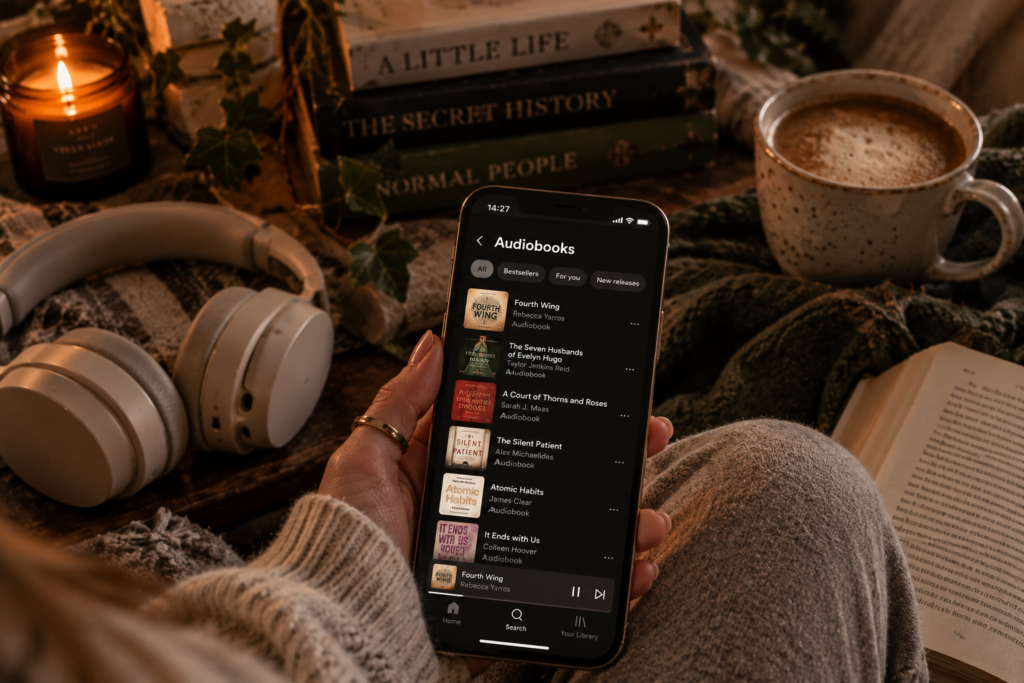
Audiobooks once required physical recordings or dedicated devices. Today, a smartphone and a pair of headphones are usually enough.
Services such as Audible, Spotify, Apple Books, and digital library apps have made discovering and accessing audiobooks more convenient. Listeners can browse titles, adjust playback speed, bookmark sections, and resume listening across compatible devices.
Digital libraries have also become important. Depending on local availability, readers can borrow audiobooks through participating public libraries without purchasing each title individually.
This convenience reduces some of the barriers that previously made audiobooks less practical. Instead of planning when and where to listen, people can simply press play.
5. Audiobooks Offer a Break From Screens
Modern life involves a remarkable amount of screen time. Many people spend their working hours looking at computers before switching to phones or televisions during their free time.
Audiobooks offer entertainment without requiring another screen. You can follow a story while looking at the world around you, resting your eyes, or enjoying a quiet evening.
In the Audio Publishers Association’s 2026 consumer research, 70% of audiobook listeners valued them as an alternative to screen time.
This doesn’t mean listening is automatically more relaxing than every other digital activity. But for people who want to enjoy stories without scrolling, audiobooks provide an appealing option.
6. Audiobook Libraries Keep Getting Bigger
Another reason audiobooks continue growing is the expanding selection of available titles. Listeners are no longer limited to a small collection of popular novels.
According to the Audio Publishers Association, publishers reported more than 750,000 active audiobook titles in 2025, a 43% increase from the previous year.
Popular categories include general fiction, fantasy, romance, mysteries, thrillers, and nonfiction. Different genres offer different listening experiences, from immersive fantasy adventures to educational books and personal memoirs.
The growing selection makes it easier for listeners to find books that match their interests. It also creates opportunities for publishers to introduce older titles to new audiences through audio editions.
7. Audiobooks Have Become Part of Everyday Reading Culture
Audiobooks are increasingly included in conversations about reading habits, monthly book goals, and recommendations. Readers often move between physical books, e-books, and audio depending on their schedules.
Someone might read a paperback before bed but listen to a different novel during their commute. Others enjoy switching between the written and audio versions of the same book when both are available.
Online reading communities have also helped normalize listening as a way of enjoying literature. Discussions about favorite narrators and audiobook performances have become part of the wider book conversation.
This flexibility challenges the idea that there is only one correct way to experience a book. Different formats can serve different purposes without competing for the same moment of attention.
Does Listening to Audiobooks Count as Reading?
This is one of the most common debates surrounding audiobooks. Some readers believe that reading requires physically looking at words, while others argue that understanding and experiencing a story matters more than the format.
Technically, decoding written text and listening to spoken language involve different processes. Both, however, can support comprehension, vocabulary development, and engagement with ideas.
The experience also depends on the book and the listener. A complex nonfiction title filled with charts may be easier to study in print, while a character-driven novel might work beautifully in audio.
For personal reading goals, the distinction is largely a matter of preference. If your aim is to discover stories, learn something new, or enjoy literature, audiobooks can absolutely contribute to that experience.
Are There Any Downsides to Audiobooks?
Despite their advantages, audiobooks aren’t perfect for everyone. Some listeners find it difficult to concentrate, especially when stories contain many characters, unfamiliar names, or complicated timelines.
It can also be harder to quickly revisit a particular passage. Although most apps include bookmarks and navigation tools, finding a specific sentence may take longer than flipping through a physical book.
Cost is another consideration. Subscriptions and individual purchases can become expensive, particularly for people who listen frequently.
Fortunately, public library services, free authorized recordings, and different purchasing options can make audiobooks more affordable. Trying several formats is often the best way to discover what works.
What About AI-Narrated Audiobooks?
Artificial intelligence is beginning to influence audiobook production. AI-generated narration can reduce some production costs and potentially make audio editions available for books that might otherwise never receive one.
However, human narration remains an important part of the listening experience. Professional performers bring interpretation, emotional nuance, and artistic choices that many listeners value.
According to the Audio Publishers Association’s 2026 research, only 16% of audiobook listeners had tried an AI-voiced audiobook. AI-narrated titles accounted for just 0.03% of reported audiobook sales revenue in 2025.
The technology will likely continue evolving, but its long-term impact remains uncertain. Questions about narrator compensation, consent, quality, and transparency will also shape how publishers use it.
Will Audiobooks Replace Physical Books?
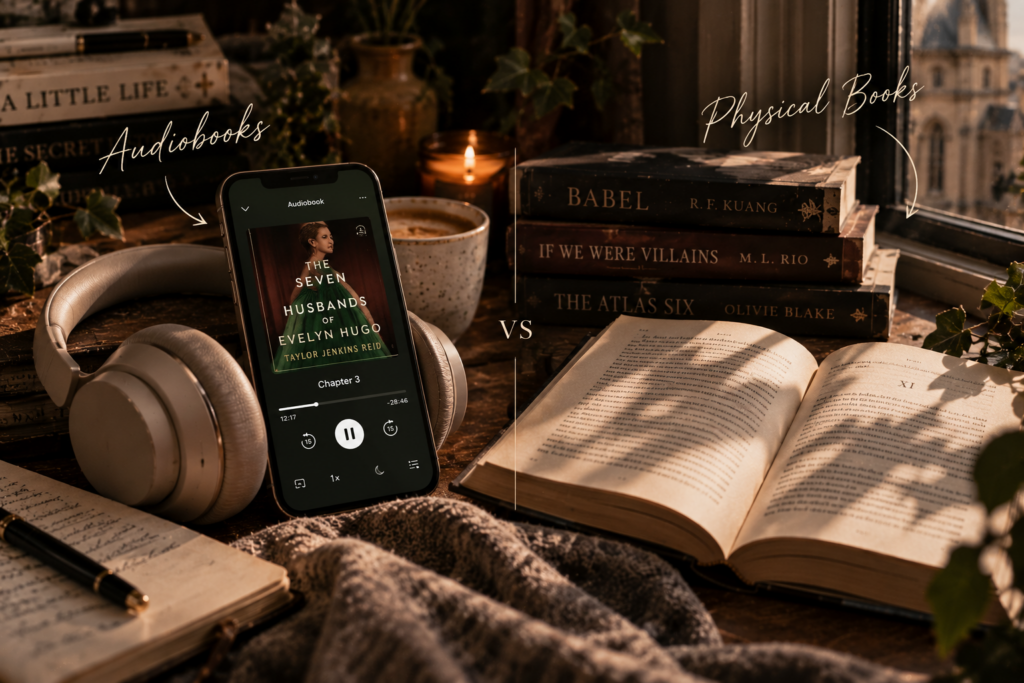
Despite their growth, audiobooks are unlikely to eliminate traditional reading. Physical books offer experiences that audio cannot fully reproduce, including visual layouts, illustrations, annotations, and the pleasure of holding a book.
Different formats also suit different situations. Audiobooks work well during travel or routine activities, while printed books can be preferable for close study or quiet reading.
Instead of replacing one another, these formats increasingly coexist. Readers can choose whichever experience fits their needs, preferences, and lifestyle.
“The future of reading may not be about choosing between pages and headphones. It may be about having the freedom to enjoy both.”
Final Thoughts: Why Audiobooks Are Here to Stay
Audiobooks have become popular because they make stories easier to fit into everyday life. Their convenience, accessibility, expanding selection, and professional narration offer readers more ways to enjoy books.
Technology has made listening simpler, while changing reading habits have encouraged people to explore formats beyond traditional print.
But perhaps the biggest reason for audiobook popularity is straightforward: people still love stories. Whether those stories arrive through printed pages, digital screens, or someone’s voice, the desire to experience them remains the same.
Do you prefer listening to audiobooks or reading physical books? Share your favorite format in the comments!
Leave a Reply