

Reading has never been more dynamic than it is today. As technology evolves and lifestyles shift, readers are no longer choosing strictly between digital and print—they are blending both into their daily routines. From e-readers and audiobooks to beautifully bound hardcovers, the way we consume stories and information is expanding. Understanding how these formats coexist and influence one another helps us appreciate not only where reading stands today, but also where it is headed in the years to come.
“No matter the format, a powerful story still turns pages in the mind.”
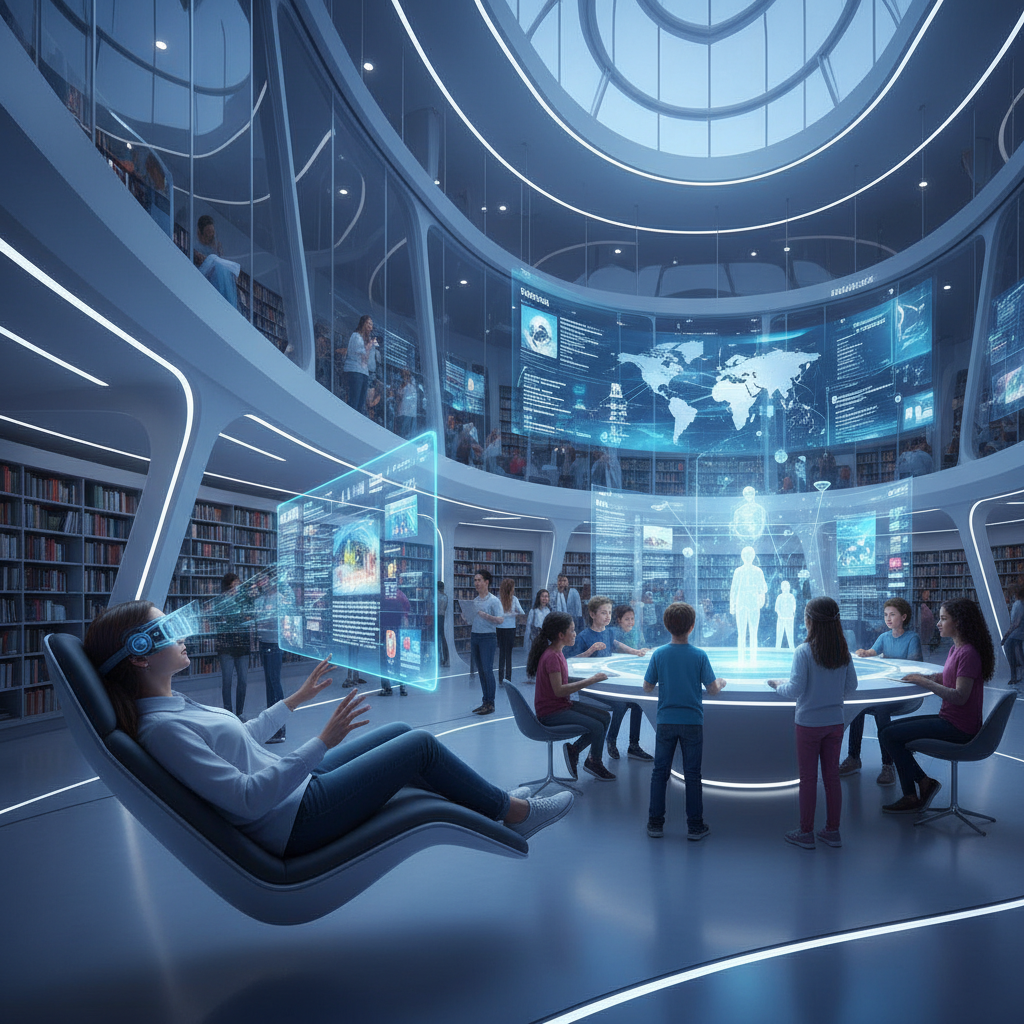
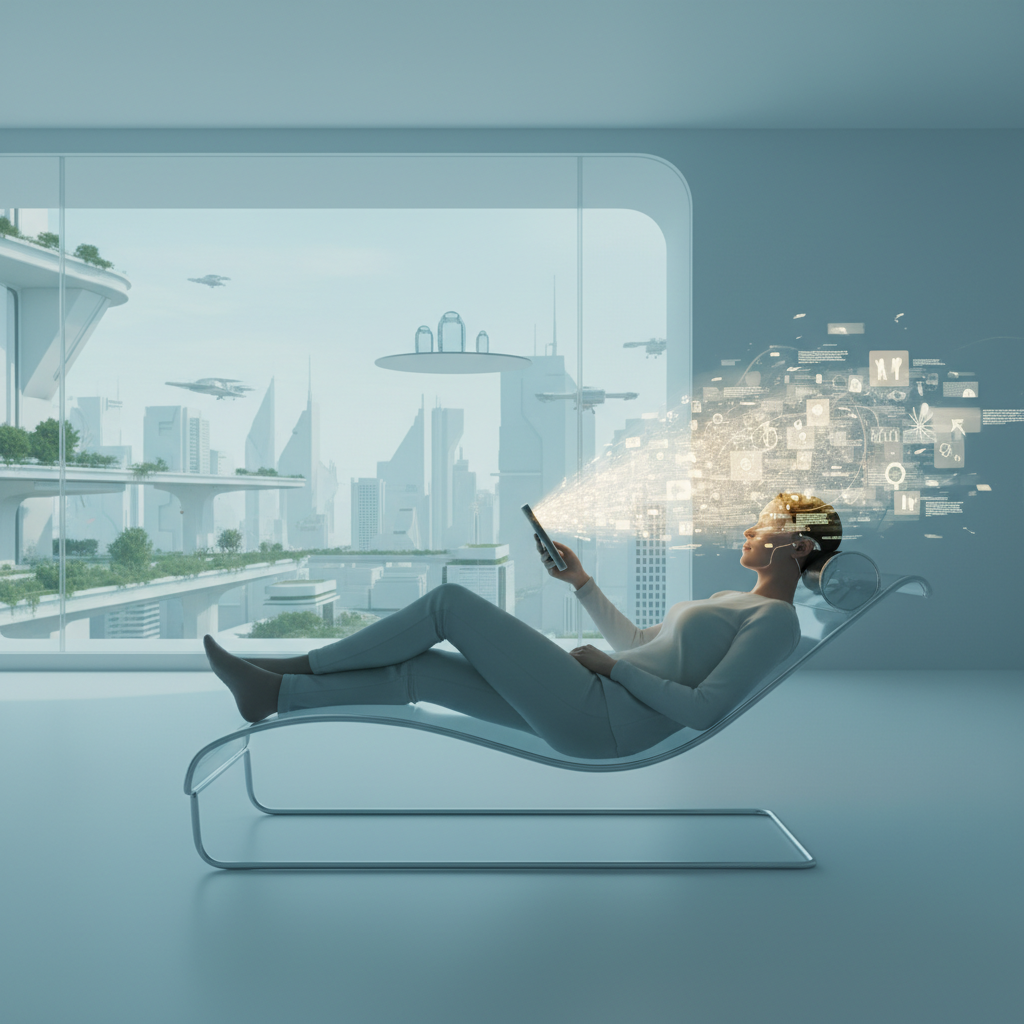
Digital reading continues to grow rapidly, driven by convenience and accessibility. E-books can be downloaded instantly, carried in vast libraries on a single device, and customized for comfort with adjustable fonts and lighting. Audiobooks, in particular, have opened new possibilities for busy readers who listen during commutes, workouts, or household tasks. Educational platforms and subscription services have also made knowledge more affordable and widely available. These innovations are not replacing traditional reading habits entirely, but they are reshaping how and when people engage with content.
At the same time, print books continue to hold a unique and irreplaceable appeal. Many readers value the tactile experience of turning pages, the scent of paper, and the visual satisfaction of a filled bookshelf. Studies suggest that some people retain information better when reading in print, particularly for complex material. Independent bookstores and special edition releases have also experienced renewed interest, proving that physical books offer an emotional and aesthetic experience that screens cannot fully replicate. Rather than competing, print and digital formats are increasingly complementing one another.
The Road Ahead for Readers and Publishers
The future of reading is not about choosing sides—it is about embracing flexibility. Digital platforms will continue to innovate, offering smarter recommendations, interactive features, and global access to diverse voices. Meanwhile, print will remain a cherished medium for collectors, learners, and those who treasure the physical connection to a book. As readers, the best approach is to take advantage of both worlds: listen when life is busy, scroll when convenience matters, and savor a printed page when you want to slow down. In this evolving landscape, stories remain at the heart of it all—timeless, adaptable, and endlessly powerful.
Leave a Reply